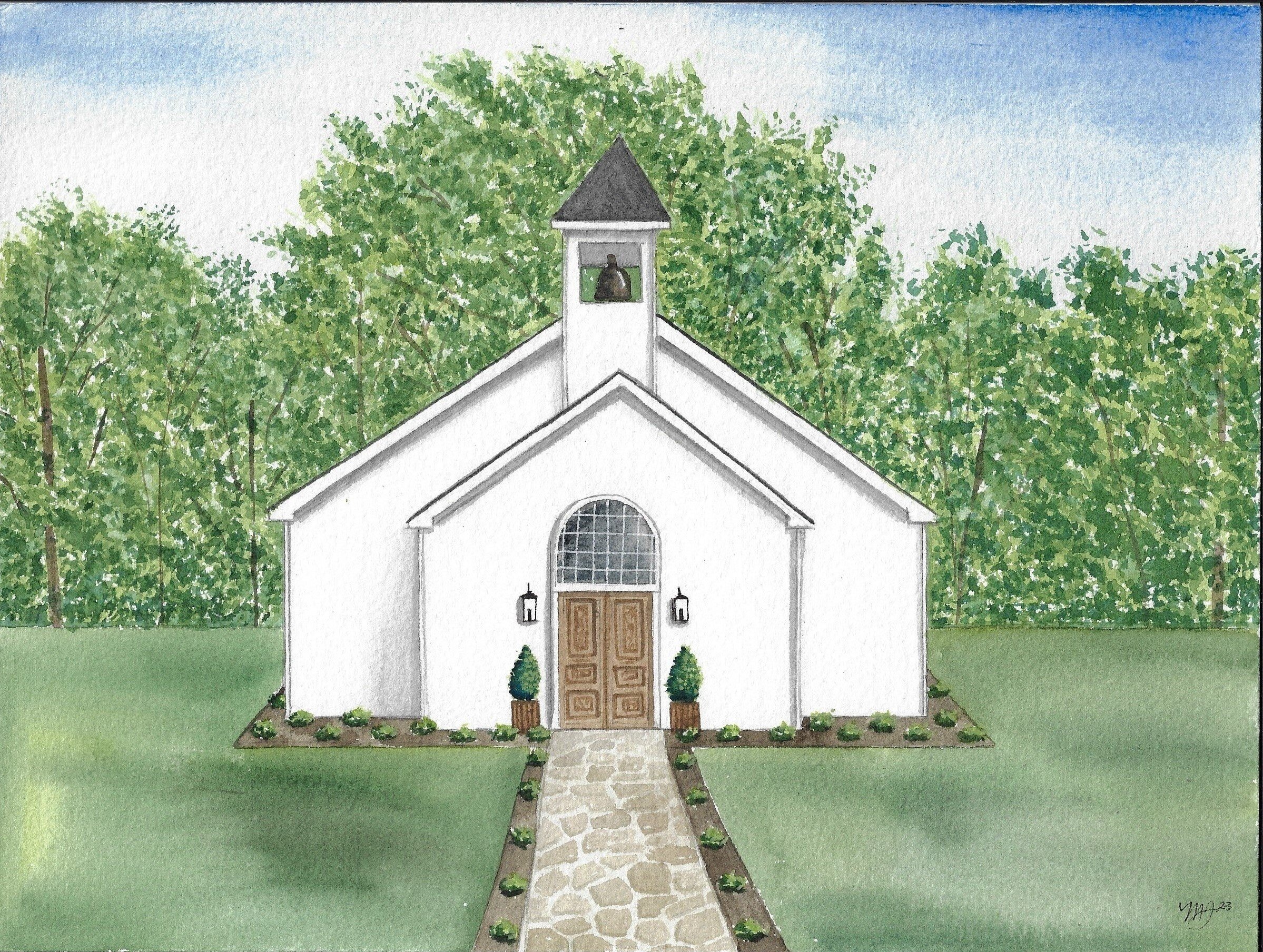
Get ready to be amazed! Among the wedding chapels in Dallas, ours stands out as a truly extraordinary gem! Our chapel will make your special day absolutely unforgettable, and we can’t wait to share this unparalleled experience with you!
UK Betting Markets and Their Historical Development via Betzoid
The United Kingdom holds a uniquely distinguished position in the global history of gambling and wagering. From the informal wagers placed between gentlemen at horse racing events in the eighteenth century to the sophisticated, technology-driven platforms that define the contemporary landscape, British betting markets have undergone a profound and fascinating transformation. Understanding this evolution is not merely an exercise in historical curiosity — it offers essential context for appreciating how regulatory frameworks, cultural attitudes, and technological innovation have collectively shaped one of the world’s most mature and well-organised gambling industries. The UK betting market today stands as a benchmark against which other nations frequently measure their own regulatory and commercial ambitions.
The Origins of Organised Betting in Britain
The roots of organised betting in Britain stretch back several centuries, with horse racing serving as the primary catalyst for the development of formal wagering culture. By the early eighteenth century, Newmarket had already established itself as the heartland of British racing, and with it came the emergence of a structured betting community. Wealthy aristocrats and landowners would place substantial wagers on race outcomes, often negotiated through intermediaries who would later evolve into the first recognisable bookmakers.
The figure of the bookmaker became increasingly prominent throughout the nineteenth century. Rather than operating through a pari-mutuel system as was common in France, British punters favoured fixed-odds betting, where the bookmaker would offer specific odds against particular outcomes. This distinction proved culturally enduring and remains a defining characteristic of the British approach to sports wagering even today. Tattersalls, founded in 1766 as a bloodstock auctioneer, became an important social hub where betting transactions were settled, and its rules governing credit betting among members formed some of the earliest informal regulations governing the industry.
Street betting, however, presented an entirely different social picture. For the working classes, off-course cash betting was widespread but legally precarious. The Betting Act of 1853 and subsequent legislation effectively criminalised cash betting away from the racecourse, driving a thriving underground industry of street bookmakers and runners who collected bets discreetly in pubs, factories, and back alleys. Despite persistent attempts at enforcement, these illegal operations flourished throughout the late Victorian and Edwardian eras, reflecting the deep-seated popular appetite for betting that legislation alone could not suppress.
The Betting and Gaming Act 1960 and the Modern Era
The most transformative moment in the history of British betting came with the passage of the Betting and Gaming Act 1960, which came into force in 1961. This landmark legislation legalised the operation of licensed betting offices, commonly known as bookmakers’ shops, across the United Kingdom. The social and commercial consequences were immediate and dramatic. Within just a few years, thousands of licensed premises had opened across the country, bringing off-course betting into the open and providing a regulated, transparent environment for what had previously been an illicit activity for millions of working-class Britons.
The major bookmaking firms that emerged from this era — including William Hill, Ladbrokes, and Coral — grew rapidly to dominate the high street landscape. These companies invested heavily in infrastructure, staff, and technology, building the foundations of the modern British bookmaking industry. The introduction of the Tote, a statutory body operating pool betting on horse racing, provided an alternative to fixed-odds bookmakers, though the latter consistently maintained greater popularity among British punters who valued the certainty of a fixed return.
Throughout the 1970s and 1980s, the betting shop became a firmly established feature of British urban life, particularly in working-class communities. Regulatory oversight was managed through a licensing system administered by local magistrates, with the Gaming Board for Great Britain providing broader supervisory oversight. The introduction of greyhound racing as a major betting medium alongside horse racing further diversified the market, while football pools — particularly Littlewoods and Vernons — attracted millions of participants seeking life-changing jackpots through weekly coupon competitions.
The Digital Revolution and Online Betting Markets
The arrival of the internet in the mid-1990s initiated a period of disruption and reinvention that fundamentally altered the competitive dynamics of the British betting industry. Established bookmakers began launching online platforms, while entirely new operators emerged to exploit the opportunities presented by digital wagering. The regulatory framework, however, lagged considerably behind technological reality, creating a period of uncertainty that persisted until the Gambling Act 2005 introduced a comprehensive new licensing regime administered by the newly established Gambling Commission.
One of the most significant innovations of the digital era was the emergence of betting exchanges, most notably Betfair, which launched in 2000. Exchanges allowed punters to bet against one another rather than against a bookmaker, offering more competitive odds and introducing the concept of lay betting — wagering on an outcome not to occur — to a mainstream audience. This peer-to-peer model represented a genuine structural disruption to the established bookmaking model and forced traditional operators to reconsider their pricing strategies and product offerings.
The proliferation of online resources and analytical tools transformed how British punters approached their wagering decisions. Platforms dedicated to odds comparison, statistical analysis, and market intelligence became integral parts of the informed bettor’s toolkit. Resources such as https://betzoid.com/ serve as valuable reference points for bettors seeking to navigate the complexity of modern markets, offering comparative analysis and structured information that supports more considered wagering decisions. The democratisation of information through digital channels fundamentally altered the balance of knowledge between bookmakers and their customers.
Mobile betting represented the next major evolutionary step. The widespread adoption of smartphones from around 2010 onwards enabled punters to place bets from virtually any location, at any time. Bookmakers invested heavily in mobile applications and responsive platforms, and in-play betting — wagering on events as they unfolded in real time — became one of the fastest-growing segments of the market. Live streaming of sporting events through bookmaker platforms further blurred the boundary between sports consumption and betting activity, creating deeply integrated entertainment experiences.
Regulation, Responsibility, and Contemporary Challenges
The maturation of the UK betting market has been accompanied by increasingly rigorous regulatory scrutiny, particularly regarding the social harms associated with problem gambling. The Gambling Commission, established under the Gambling Act 2005, has progressively expanded its enforcement powers and requirements, mandating that operators implement robust responsible gambling tools, customer interaction protocols, and affordability checks. Financial penalties for regulatory failures have escalated significantly, with several major operators receiving fines running into tens of millions of pounds for inadequate safeguarding practices.
The review of the Gambling Act 2005, initiated by the UK Government in 2020 and culminating in a White Paper published in April 2023, signalled the most comprehensive reassessment of gambling regulation in nearly two decades. Key proposals included the introduction of statutory levy funding for research, education, and treatment, enhanced affordability checks for high-spending customers, restrictions on online slot machine stake limits, and tighter controls on gambling advertising, particularly in relation to content that might appeal to younger audiences or vulnerable individuals.
The advertising landscape itself has undergone considerable scrutiny. The proliferation of gambling advertising across broadcast media, particularly during live sporting events, generated substantial public concern and political pressure. The voluntary whistle-to-whistle ban on television gambling advertisements during live sport, introduced by the industry in 2019, represented an acknowledgement that the volume and prominence of gambling marketing had reached levels that were difficult to defend publicly. Ongoing debates about the appropriate boundaries of gambling promotion continue to shape industry practice and regulatory policy.
Technological developments continue to present both opportunities and challenges for regulators and operators alike. The potential integration of artificial intelligence in personalised marketing and product design raises important questions about the extent to which sophisticated targeting capabilities might be used to exploit vulnerable individuals. Conversely, AI and machine learning tools offer significant promise in the identification of problematic gambling patterns, enabling earlier and more effective interventions. The balance between commercial innovation and consumer protection remains the defining tension of the contemporary British betting landscape.
Conclusion
The historical development of UK betting markets reflects a continuous negotiation between commercial enterprise, popular culture, and the responsibilities of governance. From the clandestine street bookmakers of Victorian Britain to the sophisticated digital platforms of the present day, the industry has demonstrated remarkable adaptability and resilience. The regulatory framework that has evolved over more than a century represents a genuine attempt to balance individual freedoms with collective protections, though the work of calibrating that balance remains ongoing. As technology continues to reshape the possibilities of wagering, the UK’s experience offers instructive lessons for jurisdictions around the world seeking to develop mature, responsible, and commercially viable betting markets.
Embrace the Elegance of a Dallas Wedding Chapel
Step into a world of unparalleled elegance and charm when you walk through the doors of our enchanting wedding chapel in Dallas. Every detail has been thoughtfully designed to create a setting that exudes timeless beauty and captivating charm. As you step inside you’ll instantly feel the love in the air, thus setting the stage for a truly magical ambiance that will make your dream wedding come true. The soft glow of twinkling lights, the delicate floral arrangements, and the harmonious blend of colors create an atmosphere that feels like a fairytale brought to life. With each step you take, you’ll be immersed in the enchanting aura, and every moment spent in our Dallas wedding chapel will be etched in your heart forever.
Personalize Your Perfect Day
At our Dallas wedding chapel, it’s all about you and your love story. We want your special day to be just the way you’ve always dreamed. Our passion is taking care of every little thing to make sure everything is perfect and reflects what you love. You want your wedding to be full of happy memories that you’ll remember forever and so do we!
Our team will work closely with you to understand what you want and make it happen. When you say your vows in front of your loved ones, we are there behind the scenes, making sure everything runs smoothly. You can enjoy your day without worrying about a thing!
We want your wedding day to be a magical experience, not just for you, but for everyone who comes to celebrate with you. We’ll make sure there are smiles, laughter, and happy tears all around. Your wedding at our Dallas chapel will be a part of your love story that you’ll treasure forever.
A Wedding Chapel with Distinctive Charm
Among the many options, our wedding chapel in Dallas stands out with its distinctive charm. Our team’s dedication to excellence ensures your special day in Dallas is perfect.
At our chapel, you’ll find something truly unique. We create a magical ambiance, making your wedding day feel extra special. Our team works hard to get everything just right, so you can have the best day ever in Dallas.
When you choose our wedding chapel, your dreams come true. We pay attention to every detail, making sure it’s exactly the way you want it. Your day will be filled with joy, happiness, and lots of love.
Join Our Journey of Love and Bliss
Love is the heart of every wedding, and we’re thrilled to be a part of your special day in Dallas. We can’t wait to share in the joy and happiness as you and your loved one embark on this wonderful journey together. As the big day approaches, stay tuned for exciting updates and sneak peeks. Our team is hard at work to make your wedding dreams come true in our enchanting wedding chapel in Dallas.
The newest wedding and event venue in East Dallas. Located in Sulphur Springs, Texas - just outside of Dallas- The Black Oak offers an elegant and rustic setting for your wedding day. Indoor and outdoor wedding venue spaces, among a rustic countryside setting.












leave a comment